

When people hear the term ‘animation’ in mobile apps, they typically think of flashy moving graphics or playful special effects. However, when it comes to user experience (UX), animation goes beyond mere decoration. It’s a careful design of visual cues and transitions guides users, provides feedback, and strengthens brand connection.
When an app is well-animated, it feels alive and responsive. The movement of each tap, swipe, or scroll is subtle, reassuring users, reducing friction, and keeping them engaged. This is the reason why app animation services are becoming a necessity for developers and designers alike. Animation is a powerful tool in turning an ordinary app into an intuitive and memorable experience, whether it’s a simple button interaction or a complicated onboarding flow.
In this article, we will examine the benefits of animation that are functional, navigational, and relational, share knowledge on how to utilize animation in UX, and demonstrate how KMK Studio in Reading implements high-quality UI animation design for businesses that aim to distinguish themselves.
Functional Animation: Guiding the User:
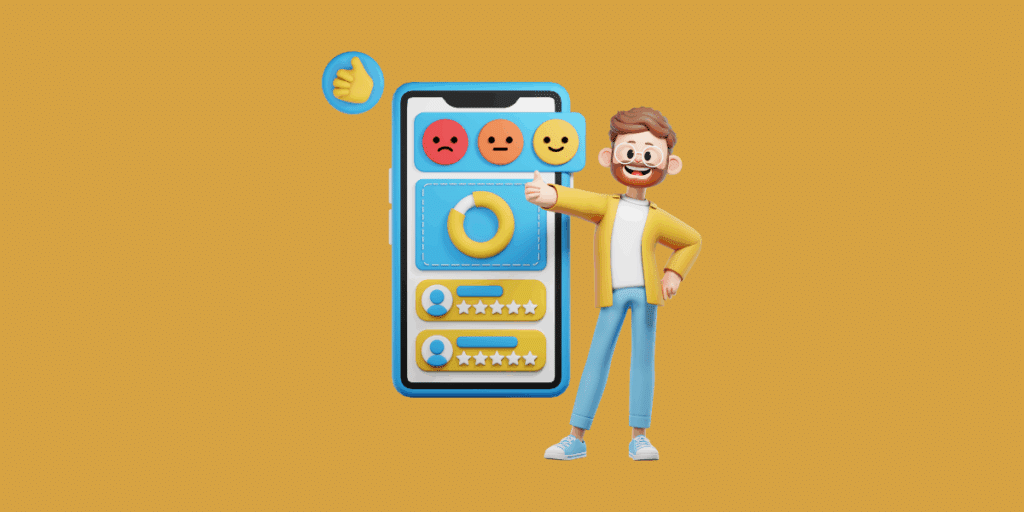
Functional communication is a crucial function of animation in mobile apps. The focus of functional animations is not on beauty, but rather on clarity. Their job is to direct the user’s attention, verify actions, and offer feedback.
Consider the difference in the response time of a static button versus one that responds instantly with a ripple effect. The first method leaves users unsure if their input was successful, while the second gives instant assurance.
Examples of functional animation include:
- Button feedback: Taps can create buttons that ripple, change color, or depress slightly.
- Loading sequences: The system’s working status can be indicated by animate spinners, pulsing dots, or progress bars.
- Form validation: If an empty field is present, there will be shaking effects, and green checkmarks will appear when the entry is correct.
If these cues are not present, users may become frustrated or abandon tasks altogether. Even mundane interactions feel smooth and reliable because of them. At this stage, app animation is a simple way to reduce uncertainty and boost user trust.
Navigational Animation: Creating a Seamless Journey:
The quality of an app’s navigation can determine its success or failure. Users may become lost, frustrated, or confused if there are no clear directional cues. Navigational animations come into play here.
These animations help users navigate between screens, allowing them to understand where they are and where they are going. The journey feels natural because they mimic real-world physics, such as sliding, fading, and expanding.
Practical examples include:
- Sliding transitions: Using a slide effect to move between tabs reinforces the idea of spatial continuity.
- Expanding cards: Tapping on a card that expands smoothly into a detailed page rather than abruptly switching.
- Back navigation cues: Visually indicating returning actions can be achieved through subtle reverse animations.
When executed properly, these animations decrease cognitive load. The app’s effortless guidance makes it easy for users to navigate. Furthermore, Designers can use UI animation design as a powerful storytelling tool by visualizing the app’s structure’s logic.
Relational Animation: Delighting Users and Building Brand:
Despite the importance of functionality and navigation, relational animation provides an emotional component. This is where apps are capable of surprising, delighting, and building loyalty. These animations generate micro-moments of happiness that users remember even after they stop using the app.
Examples of relational animations include:
- Celebratory effects: Confetti bursts when a purchase or achievement is finished.
- Playful mascots: Animated characters that respond to inputs, such as shaking their hands while logging in.
- Subtle transitions: A unique personality is given to the app through brand-themed motions.
Although these touches may seem small, they contribute to the strengthening of emotional connection. According to Adobe’s study, emotionally engaging experiences can lead to an increase of customer loyalty by 2.5 times. Users are more likely to return, recommend, and even forgive small flaws if they enjoy using the app. Transforming functionality into an experience is one of the greatest benefits of app animation.
The Business Value: Why Animation Matters:
Investing in animation is not solely a matter of aesthetics, it results in measurable business benefits.
- Increased retention: Apps that have engaging animations are reported to have higher repeat usage.
- Reduced support requests: Functional cues help users avoid confusion, leading to fewer ‘how do I’ queries.
- Improved onboarding: Apps can be understood faster by users thanks to animated tutorials and guided flows.
- Brand differentiation: Your app’s custom motion design stands out from generic competitors.
The cost of adding animation to an app varies depending on the circumstances. A simple micro interaction can be cheaper than a fully integrated animation system, but it still requires more planning and development. But consider this: if animations improve retention by even 10-20%, the ROI can be significant.
How We Implement Expert Animation at KMK Studio, Reading:
At KMK Studio, we believe that animation is a crucial element of UX design, not just a finishing touch. Our team, based in Reading, has provided aid to businesses across industries by utilizing motion to transform their apps into intuitive, brand-building tools.
Our process includes:
- Discovery & strategy: Our initial step is to gain an understanding of your users and business objectives. What issues need to be addressed? Where can motion have an impact?
- Storyboarding & prototyping: To make sure the UX is enhanced and not distracted, we sketch and test animation concepts before coding.
- Design & implementation: We use tools like After Effects, Lottie, and Figma to create animated content that is lightweight and optimized for performance.
- Testing & refinement: We test animations with real users and adjust timing, speed, and responsiveness.
We create solutions that are tailored to your budget and timeline. Our app animation services can accommodate any size or complexity of your app animation, ranging from a few micro interactions to a complete motion design system.
Are you searching for an app developer in Reading who has experience in animation? This is exactly what we do.
Practical Tips: A guide to using animation in UX without overdoing it:
The use of excessive animation in mobile apps can be a common mistake. Using excessive flashiness can cause distraction, slowness, or even irritation. At KMK Studio, these are the principles we adhere to:
- Keep it purposeful: The purpose of every animation is to guide, inform, or delight, not just for entertainment.
- Prioritize speed: Animations need to be quick enough to stay in sync with users. The ideal time is typically between 150–400 milliseconds.
- Maintain consistency: Select a motion style that matches your brand identity.
- Optimize for performance: Smooth playback is guaranteed with lightweight formats such as Lottie without affecting the app’s performance.
- Test with users: Feedback is crucial because what may appeal to a designer may not appeal to a user.
By following these guidelines, animations become invisible aids that elevate the experience instead of stealing attention.
Ready to Elevate your App?
Get In Touch With Our Animation Specialists!
Are you interested in enhancing your Reading-based app with animation? Schedule a free app animation consultation
The use of animation in modern app design is now mandatory. Today’s users seek apps that respond quickly, clear guidance, and subtly delight them. Animation creates experiences that people love to use by employing functional micro interactions, smooth navigation, or relationship branding effects.
KMK Studio in Reading is here to support anyone who wants to explore the possibilities of animation in mobile apps. Our team is dedicated to creating UI animation designs, micro interactions, and custom motion systems that enhance engagement and brand loyalty.